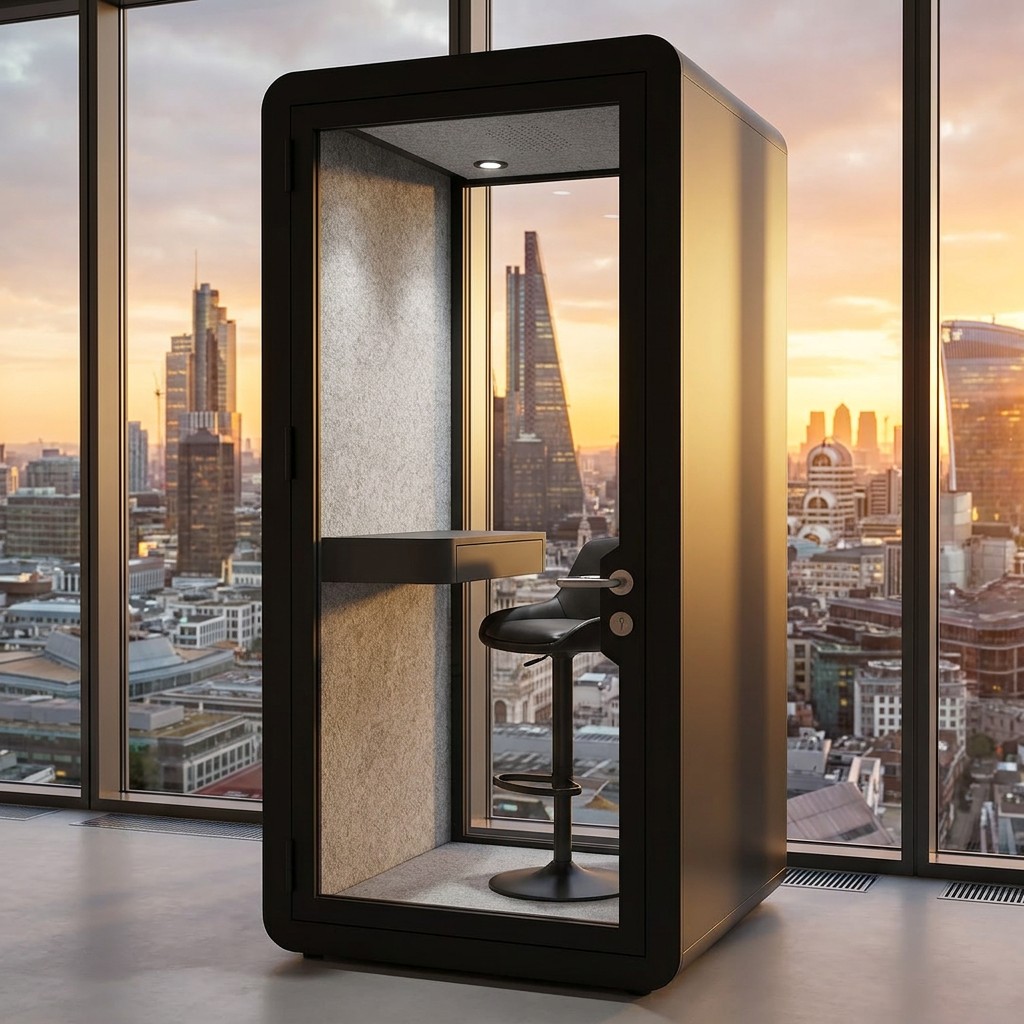
Material Science: 2026 Office Pod Standard
MobileX POD insights for modular office pods, lactation pods, outdoor kiosks and custom project buyers.
Introduction
In the evolving landscape of office pod procurement, the conversation is rapidly shifting from mere aesthetics to uncompromising structural integrity. As organizations plan their workspace investments for 2026 and beyond, the materials used in the frame are no longer just a detail—they are the foundation of safety and longevity.
Technical Deep-Dive: The 6063-T5 Advantage
The 6063-T5 aluminum alloy is specifically engineered for architectural and structural applications. Composed primarily of aluminum with precise additions of Magnesium (0.45-0.9%) and Silicon (0.2-0.6%), this alloy provides the perfect balance of strength and extrudability. The “T5” tempering process involves artificial aging, which maximizes the mechanical properties without compromising the surface finish. With a yield strength of approximately 145 MPa, it provides the necessary resistance to lateral forces, crucial for maintain structural stability in dynamic environments.
| Material | Density (g/cm³) | Resonance Quality | Seismic Stability |
|---|---|---|---|
| 6063-T5 Aluminum | 2.70 | Very Low | High |
| Carbon Steel | 7.85 | High (Vibrates) | Medium |
| Standard Wood | 0.6-0.8 | Variable | Low |
Acoustic Integrity
Beyond safety, the frame's rigidity is the secret to superior acoustic performance. A 6063-T5 aluminum frame prevents “flanking transmission”—the travel of sound through structural paths. Its high precision ensures that airtight seals remain perfectly aligned, even under stress, preventing sound leaks that often plague pods with less rigid frames.
Conclusion
As seismic-active regions like the KSA and UAE continue to lead in modern architecture, architects are increasingly prioritizing 6063-T5 aluminum frames. It is the only choice that meets the rigorous demands of seismic stability while ensuring the acoustic privacy that modern office environments require.
Need a custom modular pod solution?
Send your product type, size, quantity, destination country and customization needs. MobileX team will recommend a suitable model and quotation.