Flat-Pack Office Pods or Factory-Assembled Units? Choose Where the Build Happens
A flat-pack office pod is worth considering when an enclosure cannot arrive at its final position as a complete unit and the project can accommodate assembly there. A factory-assembled unit is worth comparing when the delivery route accepts it and reducing work inside an occupied office matters. Neither format is automatically cheaper, faster to use or better acoustically. Choose the finished room you need first, then compare where its remaining construction can realistically happen.
The useful distinction is not a photograph of a finished pod versus a photograph of boxes. It is the condition in which the proposed product leaves the factory, the work left before use, and the space available for that work. This comparison concerns a new purchase, not a method for moving a pod already in service.
DIY office pod: designing the enclosure or assembling a supplied system?
If you want control over the design and can take responsibility for developing and checking the complete enclosure, a scratch build is a different project to evaluate. If you want to choose a defined product while arranging suitable assembly locally, compare supplied systems. Buying an assembled unit moves more fabrication into the factory; it does not remove the destination work described below.
Building from raw materials means choosing how the frame, walls, door, roof, air path, lighting and electrical arrangements work together. Buying each component does not provide evidence for the finished enclosure. The buyer needs a competent design-and-build route, a workable location and a way to assess the completed result. This can suit a genuine bespoke project where design freedom is the priority and the necessary expertise is available. It is not a like-for-like substitute for a specified product merely because its materials cost less.
Assembling a supplied system starts with the manufacturer’s defined parts and instructions. The purchasing advantage is being able to evaluate an identified configuration and its supporting documents before assembly, rather than designing every interface yourself. TECSUS, for example, uses the term DIY for pods that it preassembles and then packs as components. That is its description, not a MobileX delivery promise. Self-assembly still depends on the actual instructions, required skills and site work; it does not mean any buyer can safely complete every task.
Buying an assembled enclosure can reduce fabrication at the destination when the route accepts the transported unit. It remains necessary to distinguish factory work from unloading, positioning, service connections and checks. A supplied-system buyer can therefore choose between delivery formats without becoming the designer of the enclosure.
For a workplace buying several comparable spaces, a defined product and documented configuration make it easier to compare repeat units and support needs. A one-off self-build offers more design control but needs its own design, assessment and future repair arrangements. Neither route proves acoustic performance or a particular service life. Do not treat a personal build account, a photograph or a component rating as a test of the completed pod.
The practical decision has two stages: first choose whether to commission a design-and-build project or buy a supplied enclosure system; then choose how that system can reach and be completed at the site. MobileX’s available model, configuration and delivery scope must be established in the project quotation. This guide does not describe a standard MobileX DIY kit or provide construction instructions.
Flat-pack, sectional and assembled are different offers
Flat-pack or component delivery means the enclosure is supplied as parts or panels for assembly at the destination. That does not tell you whether the door is already hung in a frame, which services are factory-fitted, or whether furniture arrives separately. A panel can still be large, heavy or awkward to turn through a doorway. An office pod kit is not necessarily a small parcel or a DIY product.
Sectional delivery is a middle option: larger subassemblies are joined at the destination. It may move some fitting work into the factory while leaving less to build on site than a component-based offer. However, those larger sections may remove the access advantage the buyer expected from a kit.
Factory-assembled delivery means more of the enclosure is completed before dispatch. It does not automatically include unloading, positioning, connection to building services or final checks. Ask what is removed for transport and what must be refitted. A finished-looking shell and a room ready for use are not the same purchasing scope.
These are comparison categories, not a statement that every MobileX model is available in every shipping format. The selected model and project quotation must establish the actual arrangement.
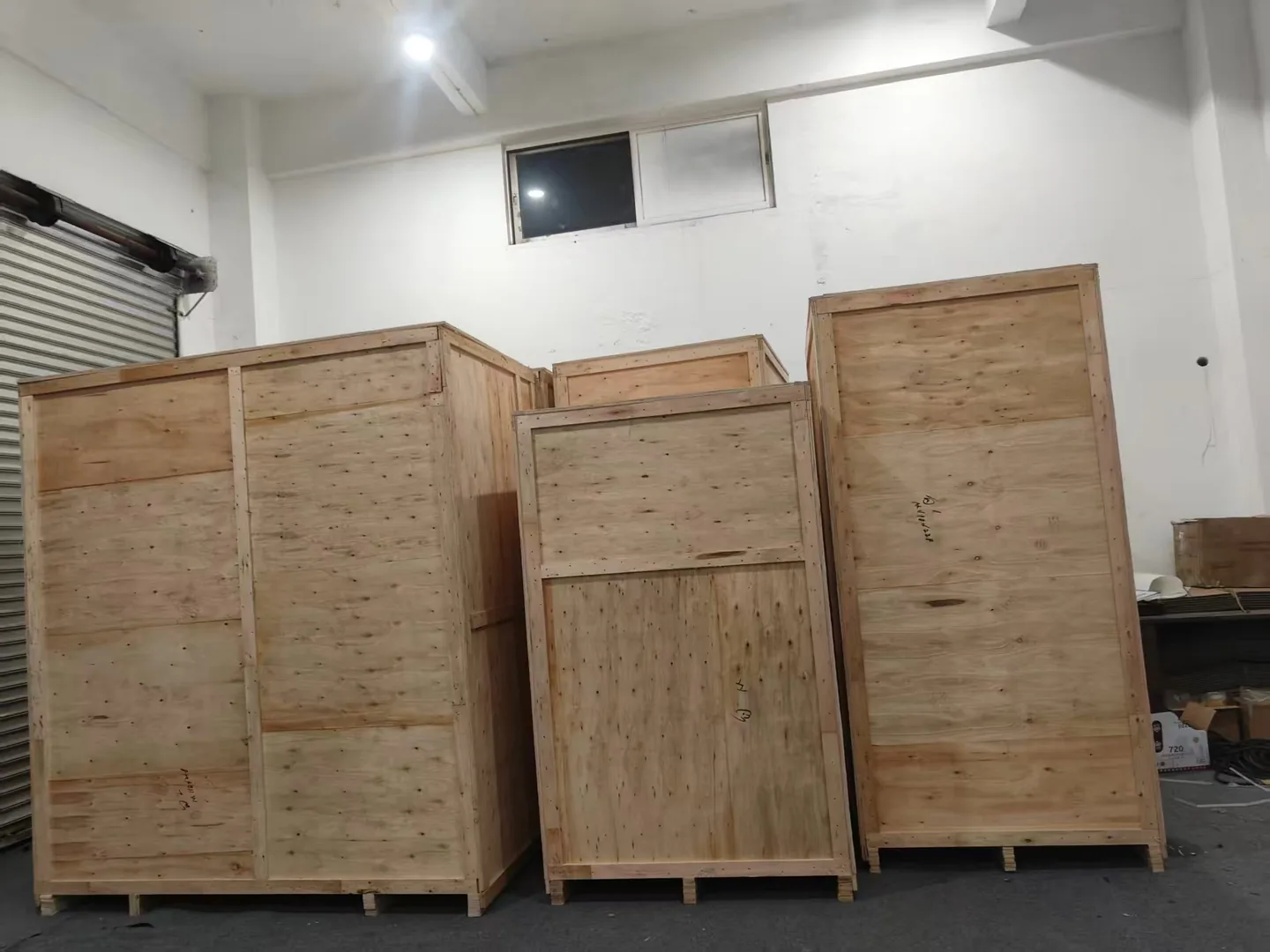
Compare the installation workspace, not only the final footprint
Two offers can produce a room with a similar final footprint while placing very different demands on the site. A component-based pod needs a place to receive and protect parts, work around the assembly and keep unfinished work separated from normal office use. Those needs may extend beyond the rectangle occupied by the finished pod.
An assembled unit shifts the decision toward how the packaged enclosure reaches that rectangle. A wide loading door does not resolve an intermediate turn, a lift restriction or the final approach. If the proposal relies on removing parts after delivery, assess it as an assembly operation as well as a positioning operation, rather than treating that work as an unpriced exception.
Use the comparison below before choosing a format. Actual package dimensions, weights and installation clearances must come from the offered product; no generic value works for every pod.
| Buying condition | Component or flat-pack offer | Factory-assembled offer | What changes the choice? |
|---|---|---|---|
| Restricted route to the final room | Evaluate the largest panel, frame and packaged component, not the average box. | Evaluate the complete transported envelope and the equipment needed to position it. | Reject either offer if its actual delivery route is not workable. |
| Very little temporary workspace | Check where parts can be unpacked, protected and assembled without occupying required routes. | Check where the unit can be unpacked and positioned, including any remaining fitting work. | A clear final footprint alone does not resolve either requirement. |
| Office must remain in use | Evaluate assembly activities and the areas that must be unavailable during them. | Evaluate the delivery movement, positioning and final work that still interrupt use. | Compare the whole work window, not only the time spent fastening parts. |
| Suitable installers are available locally | Check that their scope matches the actual assembly method and service connections. | Do not confuse a delivery crew with people able to complete the remaining work. | The offer needs a credible route to a usable room, not just a dispatch date. |
| Factory-fitted interior or equipment matters | Identify what arrives fitted and what must be installed or adjusted at the destination. | Identify what remains fitted during shipment and what is removed for protection. | Compare the same final interior and equipment arrangement in both offers. |
When each option earns a place on the shortlist
Hypothetical upper-floor office: the finished enclosure will not pass through the available delivery route. A component-based design may remain an option if its actual parts fit and the office can release suitable assembly space. The alternative is not necessarily to force a smaller assembled unit into the shortlist; a different model or a different location may better preserve the intended work inside.
Hypothetical occupied workplace: the route can accept an assembled enclosure, but the facilities team cannot make space for a prolonged assembly operation. An assembled offer may deserve preference if its remaining positioning and completion work fits the available access window. That is a conditional project choice, not a claim that preassembly eliminates disruption or guarantees a particular completion time.
Hypothetical fit-out with space released for contractors: component assembly can be considered alongside other planned work. It is not automatically preferable: parts need a suitable protected area, and unfinished building work must not undermine the pod installation. Where large sections fit but a whole enclosure does not, a sectional proposal may be worth comparing on its own merits.
Keep the finished product constant while comparing offers
A low kit price and a higher assembled price are not meaningful alternatives if one omits the interior, services or completion work needed for the same task. Start with the same intended occupancy, desk activity, enclosure configuration and equipment requirements. Then separate the difference in product configuration from the difference in where it is assembled.
For each offer, identify the product and packing charge, transport and site positioning, assembly or refitting, required service work, and completion checks. A bundled price can be compared with separate prices only when the included work is understood. Do not assign a saving to flat-pack delivery without actual package and service quotations, or assume that an assembled unit has no site costs. The project quotation scope guide covers the full supply-and-options comparison.
The delivery format also does not establish sound isolation or speech privacy. Panel construction and factory preassembly are not acoustic test results. Use the evidence for the proposed model and configuration, interpreted through the office pod acoustic evidence guide, rather than treating either format as a performance grade.
Why a DIY material total is not the finished-room budget
Separate new purchases, reused items and work. In a first-person garage-office build account, Ryan K Pyeatt explicitly distinguishes his material total from items he already owned. That is useful budgeting context, not a current price benchmark or a construction method to copy.
Illustrative calculation, not a supplier quotation: suppose a materials list is $800, additional purchased fittings are $300, and the buyer values 20 hours of work at $40 per hour. The comparison subtotal is $1,900, before any still-unpriced design review, specialist work, delivery or corrections. The labor allowance is a planning assumption, not a wage rate, installation estimate or cash expense in every project. Previously owned furniture or tools should be identified separately rather than presented as included new goods.
Now compare that scope with a supplied-system offer for the same usable workspace. Add its excluded transport, assembly and site work, and identify which furniture and services it includes. A higher product price may buy a defined enclosure and less design work, while a lower materials total may leave more work and uncertainty with the buyer. Pay for the difference that matters to the project; do not infer savings from unmatched totals. If the lower-priced route cannot demonstrate the required completed result, the two budgets are not equivalent alternatives.
Ask to see the actual assembly approach before choosing a kit
The most useful early check is a model-specific assembly overview showing the principal components, the work sequence and what remains to be fitted. You are evaluating whether the method suits the project, not preparing to assemble an unfamiliar enclosure from a generic article. Detailed handling, electrical work and commissioning must follow the applicable product instructions and be undertaken by people competent for that work.
Public manufacturer resources illustrate why the method must be product-specific. ROOM’s Canadian Phone Booth preparation page distinguishes packaged delivery from assembly and links to its own assembly resources. That source concerns ROOM’s product and market; its package specifications, assembly estimates and services are not MobileX specifications or commitments.
For a MobileX enquiry, use the installation requirements guide to frame the destination work after the proposed format has been established. Use the packed shipment and delivery scope guide for the actual packages. Neither replaces the selected model’s instructions. A future move is a separate decision addressed in the whole-unit move versus disassembly comparison; being assembled from parts once does not by itself establish repeated relocation suitability.
Planning buyer meetings within an exhibition stand? Our trade-show meeting-pod guide helps test the conversation layout, organiser rules and build window before choosing a delivery format.
Make the decision in this order
- Choose the room’s job. Shortlist office phone pods for individual use or meeting booths for people working together. Do not let a convenient package determine an unsuitable room.
- Remove unworkable formats. Compare the actual transported units with the route and the actual assembly method with the workspace and work window. A delivery format that fails either test is not rescued by a lower headline price.
- Compare what remains. Hold the usable configuration constant and compare the complete route to a working room. A sectional alternative belongs here only if there is a real offer and an acceptable installation method.
When the standard proposals cannot meet both the use and delivery conditions, discuss a custom modular pod configuration before assuming that a completed unit can be split or a kit altered on site.
Ask MobileX to review a pod purchase with the intended work, proposed location, route constraints and the period when site work can happen. State whether your preference is component, sectional or assembled delivery, and why. The useful response is a feasible model-and-delivery proposal, not a universal promise attached to the words “flat-pack.”