Office Pod Trial Purchase: Return Option or Firm Order?
A purchase with a return option is worth considering when using the proposed office pod at your workplace could change the buying decision, and the actual return conditions let you act on that result. A firm order is more suitable when the important fit questions are already resolved, or when the required configuration falls outside the offered trial arrangement. If neither route resolves an essential uncertainty, obtain better evidence before buying.
The choice is about the exposure of a first purchase, not whether a pod has good reviews. A return option, a rented booth, an OEM pilot and a warranty claim are different arrangements. None should be assumed from the word “trial”.
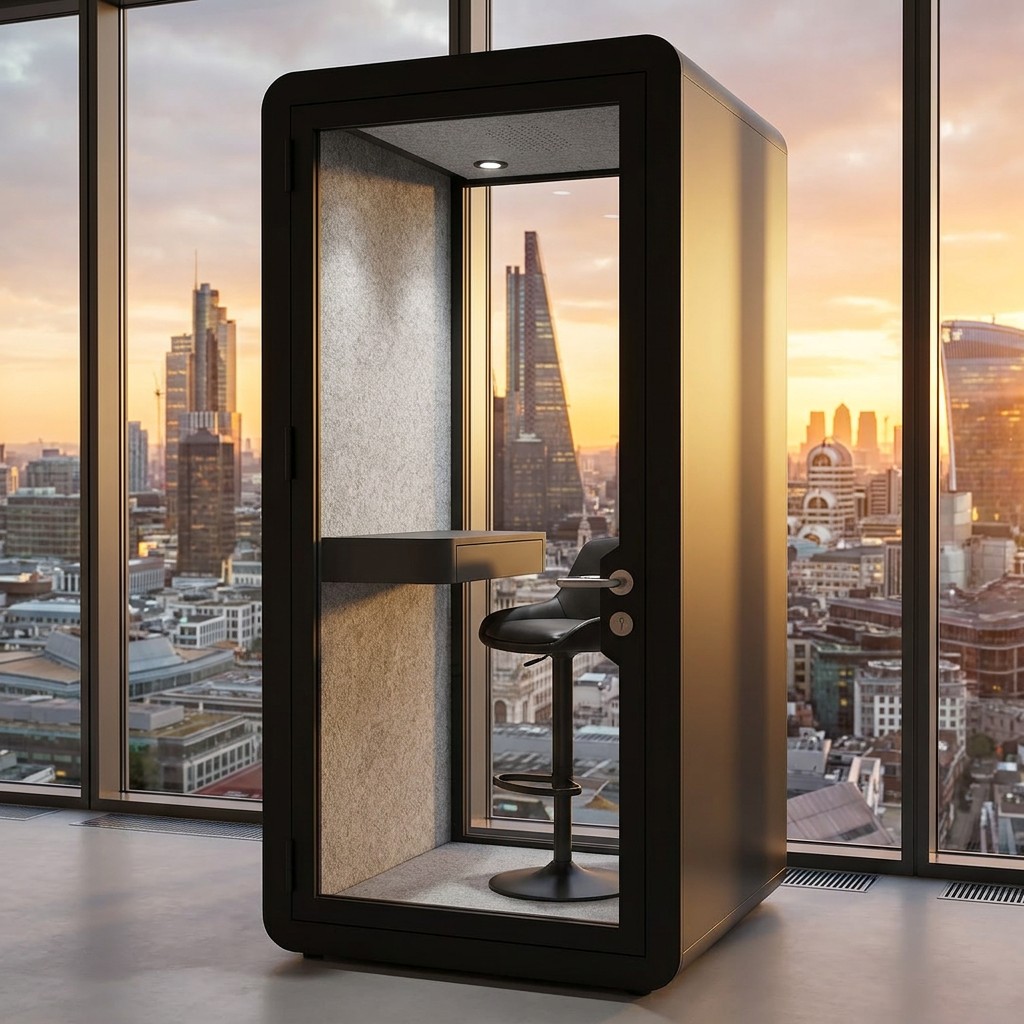
Buy an option that can answer your uncertainty
First name the question that real use would settle. Perhaps staff need to work with a laptop and papers rather than make occasional calls. Perhaps the proposed arrangement must work for people who use it differently throughout the day. Relevant use can reveal an unsuitable working layout; an empty display image cannot.
Then ask whether the offered trial actually reproduces that arrangement. A standard furnished unit may answer a question about the standard layout, but not a different desk or an equipment installation that has yet to be agreed. A favourable experience with one configuration should not silently approve another.
Use the office pod review and evidence guide to decide what needs demonstrating. The question here comes next: is it sensible to place an order while that question remains open, given the option the seller actually offers?
A return promise has an operating boundary
Read eligibility before comparing the advertised trial period. The relevant conditions can include destination, quantity, configuration, alterations, packaging and collection access. A policy that fits one unmodified unit may not fit a branded group order.
Zenbooth’s published standard return policy is one concrete example: it places limits on eligible order quantities and destinations, excludes modified products, and requires original packaging and access for disassembly and pickup. Its notification period begins at delivery. Those are conditions of that provider’s offer, not MobileX terms or a universal office-pod practice.
Apply the offered conditions to the proposed purchase before accepting them. If branding would remove eligibility, compare an unmodified trial with a later separately agreed branded order; do not assume the supplier will preserve a return option after alteration. If the whole order must be returned together, a successful unit and an unsuitable unit cannot automatically be treated as separate decisions.
Ask for the terms that apply to the exact order. This is a commercial comparison, not a statement that every jurisdiction or buyer has the same legal rights.
The useful trial starts with a usable room
Draw a simple sequence: delivery, assembly, availability for the intended users, decision and required notice. If the seller’s period starts at delivery, days spent waiting for assembly may reduce the time available for actual use. Compare the dates rather than treating the headline duration as a guaranteed number of working days.
Arrange who will use the pod and who can make the decision. A trial during office closure or before the necessary equipment arrives may provide little evidence. Do not rush an unsuitable demonstration merely to meet a deadline; resolve the schedule before relying on the option.
Agree the observations that would change the decision: whether the actual work can be performed, whether the furniture obstructs normal entry and movement, and whether the workplace can operate the arrangement. Keep those observations separate from technical performance claims. A user finding a booth quiet does not establish a sound-isolation rating or confidential speech performance.
Price both keeping and returning
If you keep the pod: compare the delivered, installed configuration you will retain, plus any separately agreed changes after the trial. Include only changes that are available and needed. Do not assume a later furniture or branding change is free or technically acceptable.
If you return it: identify what the provider refunds, what the buyer still pays, and who removes, packs and collects the unit. A collection service and preparation inside the office can be different responsibilities. Establish where the original packaging will be kept without obstructing the workplace.
Keep cash recovery separate from final cost. Paying the full purchase amount and receiving a later refund can leave funds unavailable while a replacement purchase is needed. Record the applicable refund event and processing period; do not subtract a hoped-for refund before eligibility and the return process are established.
Compare the firm-order alternative on the same retained configuration. It may avoid return preparation but leaves the buyer with the task of using, modifying or otherwise dealing with an unsuitable unit under the applicable terms. Do not assign a speculative resale value to make that alternative appear risk-free.
Do not substitute warranty or pilot approval for an exit option
A warranty addresses the covered problems and remedies stated in its terms. It is not automatically permission to return a functioning pod because the layout does not suit the buyer. The after-sales support guide explains that separate responsibility.
An OEM pilot review establishes a reference for later orders. It can be useful when a project configuration is essential, but a sample purchase does not itself provide a refund, a free trial or credit against a subsequent batch. Confirm its ownership and commercial terms independently.
Choose the arrangement that leaves a workable decision
Hypothetical example: a team needs a standard call position but is uncertain whether its users can comfortably perform their actual tasks in the offered layout. An eligible return-option purchase can be useful if the team can assemble, evaluate and, if necessary, prepare it for collection within the agreed process. The option has practical value because the test can affect the decision and the exit is usable.
Another team requires a custom interior and fixed equipment before the pod can support its work. A standard unit that must remain unmodified may not answer that question. A drawing review, relevant demonstration or agreed project pilot may be the better evidence route before a firm order. Buying an unrelated trial does not reduce the important uncertainty.
For MobileX, identify the relevant office pod configuration and explain the purchasing question that remains unresolved. Ask for the available evidence and the written terms of any proposed sample or order. No MobileX return window, trial programme, guaranteed refund or later-order credit is established by this comparison.