Used Office Pods or a New Configuration? Check Fit, Missing Parts and Reinstallation Scope
A used office pod can be a sensible purchase when the specific unit fits your work, its components and condition can be checked, and the work needed to put it into service is defined. A new configuration becomes more useful when the available unit needs substantial changes, essential parts cannot be identified, or delivery and reinstallation remain unresolved. Compare an identified, usable installation with another identified, usable installation, not a second-hand listing price with a complete new-pod quotation.
For facilities buyers and dealers, the starting point is the equipment actually being offered. A brochure for a similar model is useful background, but it does not establish which door, furniture, electrical fittings or replacement parts are on that particular unit today.

Used, Refurbished and Ex-Display Are Not Quality Grades
Read these labels as different pieces of information, not a ladder from poor to excellent. Used describes a previous life; refurbished describes work the seller says has been carried out; ex-display describes a showroom or demonstration history. One pod can fit all three descriptions. None tells you, by itself, which furniture and equipment you will receive.
Scroll horizontally to compare all columns.
| Offer label | What changes the purchase decision | How to compare it |
|---|---|---|
| Used / second-hand | The actual unit may already match your task, or require work before it can be used again. | Compare its current configuration and condition, not the specification of today’s model with the same name. |
| Refurbished | Cleaning, cosmetic refinishing, component replacement and functional checks are different work. Only some may be included. | Separate completed work from work still required. Do not add a repair allowance again for the same work already completed and included in the offer. An inspection alone does not mean a repair has been completed. |
| Ex-display / showroom | The displayed furniture or technology may be retained by the seller, even when the enclosure is the one you viewed. | Use the sale’s included-item list. A screen mount without a screen is an equipment provision, not a ready-to-use video setup. |
Two public examples show why the wording matters. Zenbooth’s refurbished-product description identifies previously installed and disassembled booths, production-team assessment and repair work, while allowing cosmetic blemishes. In a separate WantDontWant ex-display listing, furniture is included but a monitor and booking system are excluded. That listing was marked sold when reviewed. These are examples of how sellers describe their own offers, not MobileX stock or service commitments.
Hypothetical comparison: a buyer needs a two-person video-call space. Offer A is an ex-display pod with a screen bracket but no display; Offer B is a previously used pod with the required display included. First test whether both layouts support the same seats and call. Then add the appropriate display and integration work to A, and any identified repair work to B. Neither the showroom label nor the included display settles the choice before those differences are priced and workable.
For several units, record the label, configuration and completed work for each unit. A refurbished sample does not describe every item in a mixed lot. Compare that lot with a new order by the number of usable, task-matched spaces it will provide. The sections below turn this first screening into an identified-unit, condition and installation review.
Identify the Actual Unit Before Comparing Offers
Ask the seller for the manufacturer, model, identifying label where available, original order or configuration reference, and the instructions that apply to the unit. Request current photographs of the complete pod and its interior, rather than relying on the original sales image. Establish whether it is still assembled, has already been dismantled, or is being sold from storage.
Then ask what has changed: replaced door hardware, altered furniture, a different fan or light, added equipment, modified connections, or panels from another unit. Record known changes alongside the available documents. A shared model name is not sufficient evidence that two versions use interchangeable components.
Where the pod carries a dealer's branding, ask for the underlying manufacturer's reference as well. The model identity and support records guide explains that relationship. Here, the purpose is narrower: establish which unit and configuration the seller will hand over, and which organization can answer questions about it.
If identification remains uncertain, make that a decision item before committing to collection. Request the missing evidence or obtain an assessment from someone familiar with the equipment. Do not treat an unidentified unit as equivalent to a documented model simply because the outside looks similar.
Inventory What Will Arrive, Not Just What Is Visible
Create an itemized handover list against the applicable assembly information. Separate included and checked, missing, condition unresolved, and not applicable. A blanket description such as "complete pod" gives neither the installer nor the buyer a useful basis for resolving a missing fitting after delivery.
For a dismantled unit, ask the seller to identify and photograph the grouped components and their labels. The installer should be able to relate them to the assembly documentation. Loose items should be tied to an identified location or assembly, not described only as a bag of spare screws.
Use this purchasing worksheet with the seller and the people responsible for inspection and installation. It helps locate questions; it is not a safety inspection procedure.
Scroll horizontally to compare all columns.
| Item or assembly | Information to obtain | Decision before purchase |
|---|---|---|
| Frame, panels, roof and base | Component list, current condition and any alterations | Can the intended assembly be identified and completed? |
| Glass, door and hardware | Current photographs, door version, damage information and operating condition | Refer damage or uncertain fit to an appropriate specialist. |
| Seals, trims and fasteners | Locations, part references, missing items and reassembly requirements | Obtain confirmation of any required replacements. |
| Desk, seats and mounts | Actual dimensions, included fittings and evidence of changes | Compare the supplied arrangement with the intended task. |
| Electrical fittings and lighting | Configuration, instructions, connection details and available inspection records | Assign any necessary electrical assessment to a competent person. |
| Fans, grilles and controls | Component identity, condition and observable operating issues | Confirm the applicable checks and parts support. |
| Documents and support | Instructions, configuration records, changes and the support contact | Identify gaps that affect installation or future service. |
| Packing and destination handover | Collection condition, protection, component count and receiving checks | Agree who handles discrepancies and when they are recorded. |
Photographs can help establish that an item is present. They do not establish electrical safety, glass suitability, acoustic performance or compliance. Ask the relevant person to state what was actually checked and what remains unknown.
Separate Appearance, Operation and Professional Inspection
Appearance includes visible wear, stains, scratches and finish differences. Decide what is acceptable for the proposed setting and record it before collection. Cosmetic work should be described separately from repair work; a refreshed surface tells you little about components behind it.
Observed operation concerns the functions a suitable person can demonstrate under safe conditions: for example, the door opening and closing, or the installed controls responding. Record the conditions of the demonstration and any fault reported. A fan running is not a ventilation measurement, and a closing door does not verify a sound-insulation rating.
Professional inspection addresses questions beyond a buyer's visual review. Electrical alterations, damaged glass, uncertain fixings or unresolved installation conditions should be referred to people competent in the relevant work. Ask them to define the information and inspection needed for this unit and destination. Do not energize suspect equipment merely to complete a sales demonstration, or open electrical assemblies as a buyer's test.
The UK's HSE work-equipment inspection guidance explains that inspection needs depend on risk, equipment and installation conditions, including reassembly where safety depends on installation. This is UK workplace guidance, not a universal pod checklist or a certificate for the unit being offered. Have the responsible project team establish the applicable local requirements.
HSE's maintenance guidance also emphasizes appropriate competence and manufacturer information. Use the actual instructions and qualified personnel for any repair or reconnection. If a safety-related concern is unresolved, keep the equipment out of use until the responsible person has assessed and addressed it.
Test the Existing Configuration Against the Intended Work
A used pod's fixed arrangement can be its main limitation even when it is complete. Start with what people need to do inside: a short standing call, seated laptop work, or a meeting with particular screens and equipment. Compare those activities with the actual desk, seating, entrance and service arrangement.
Ask for both external dimensions and the usable internal layout. External width and depth do not tell you whether the supplied chair can move, the door can open properly, or equipment remains accessible. Use the furniture working-envelope guide for those task checks. Request measurements of the particular unit where changes may have been made.
At the destination, check the proposed position, circulation, access for installation and maintenance, and available building connections. Keep access-route fit separate from operating-position fit. A unit may be deliverable to the room but unsuitable beside the intended desks or services.
Sort any mismatch into three groups:
- A movable interior item: ask whether a different loose chair or buyer-supplied device resolves the problem without altering the pod.
- A product interface or fixed component: obtain the manufacturer's assessment before assuming the desk, door, fan or connection can be changed.
- A fundamental fit problem: compare a different unit, another position or a new configuration when the required task or site cannot be accommodated.
This avoids buying an unsuitable shell and discovering that the supposed minor adjustment is actually the central design problem.
Confirm Parts Support Before Relying on a Repair Allowance
Send the actual manufacturer or appropriate support provider the identification, configuration, relevant photographs and the specific parts question. Ask whether the required component can be identified, whether a suitable replacement is available, what information is still needed, and who can install it. Similar appearance or matching dimensions alone do not establish compatibility.
Separate a confirmed offer for a part from an assumption that something equivalent can be sourced later. If supply remains unconfirmed, show it as unresolved in the comparison rather than allocating a guessed repair budget. Include any associated work the proposed replacement requires, such as inspection, removal, installation or checking the completed assembly.
Ask which written terms apply to this transaction and what support, if any, passes to a subsequent owner. An old invoice or a general warranty statement does not by itself answer that question. The after-sales support guide provides questions for separating remote support, local inspection, parts and replacement work. It does not establish coverage for a particular second-hand sale.
Define the Route From Collection to Use
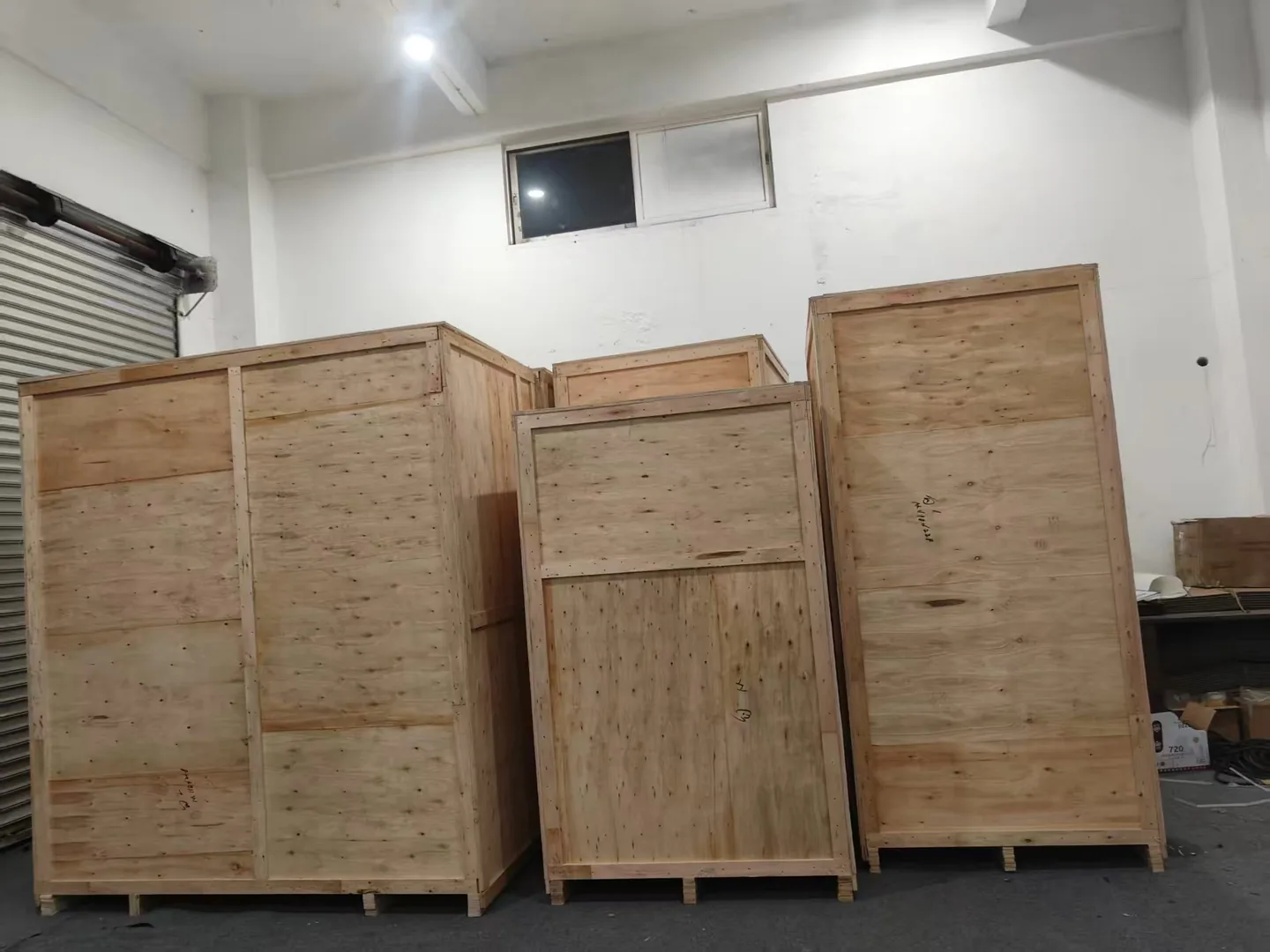
Write down the seller's handover condition first: assembled in its current room, dismantled and packed, loaded for collection, or another defined stage. Then assign dismantling, disconnection, packing, loading, transport, unloading, reassembly, reconnection and the agreed destination checks. Several organizations may be involved; a transport quotation should not silently become a promise of a working installation.
Ask the mover and installer to assess the actual route, component information and destination. Obtain the manufacturer's applicable method before assuming the pod can travel assembled. The whole-unit versus disassembly comparison covers that choice; this purchase decision is about whether a viable, priced route exists for the particular used unit.
Agree how the condition and component count will be recorded at collection and receipt, who reports damage or discrepancies, and how unresolved items affect installation. Where specialist handling, floor assessment or electrical work is needed, identify the responsible provider and the information required. This article is not a lifting, dismantling or wiring instruction.
Before accepting the destination handover, obtain the agreed completion records and note outstanding work. A delivery receipt and a completed installation are different milestones.
Compare Complete Usable Cost and Open Questions
Request the used-unit proposal and the new-configuration proposal for the same task, destination and handover point. List the equipment, required replacement items, preparation, packing, freight, site work, installation and checks. Keep quoted amounts, optional work and unresolved items separate, and use a consistent currency and tax basis when reviewing the actual offers.
For the used unit, distinguish work already included by the seller from work the buyer still needs to arrange. For the new option, establish the selected specification and supply scope rather than treating a catalog starting price as a complete project offer. An unpriced mandatory item is an open question, not a zero-cost line.
Consider three possible outcomes:
The used unit is a good match. Its identity, completeness and condition are sufficiently established; the existing layout serves the task; and the required move and installation have a clear scope. It can remain a serious option without assuming any standard discount or saving.
The comparison needs more evidence. A missing fitting, uncertain alteration or unconfirmed installation service prevents a like-for-like assessment. Assign the question to the seller, manufacturer or specialist and obtain the answer before treating the offer as complete.
A new configuration fits the project better. The available unit requires changes that cannot be confirmed, or the project's layout and equipment requirements differ substantially. Discuss an appropriate standard model or a custom modular pod configuration rather than assuming that any older enclosure can be adapted economically.
For example, a buyer may find a complete used meeting booth with seating that works for short conversations, while the proposed use requires a different fixed desk and screen arrangement. This hypothetical comparison turns on whether the changes are feasible and supported, not on the photograph or list price alone.
If the decision is instead about temporary access versus ownership, use the rental-versus-purchase project comparison. That is a different decision from assessing the condition of a specific second-hand asset.
Copy a Brief for a Used-Unit and New-Configuration Comparison
Use the following as a buyer's working brief, not as a declaration that a unit has passed inspection:
- Project / destination: [location and required use]
- People / task / equipment: [actual activity and equipment list]
- Used unit: [manufacturer, model, identification and current configuration]
- Current condition: [assembled or dismantled, known changes, available records]
- Included / missing / unresolved: [item references and seller's response]
- Fit assessment: [internal layout, site position and unresolved constraints]
- Inspection / parts support: [responsible provider, evidence and open questions]
- Collection to usable installation: [handover stages and responsible parties]
- Used-unit offer: [quoted scope, separately priced work and unpriced items]
- New-configuration offer: [matching requirements, included scope and open items]
- Decision needed: [information owner and requested response date]
For a new MobileX purchase comparison, send a project enquiry with your intended use, quantity, destination layout, equipment requirements and required project date. Ask for a quotation identifying the proposed configuration and supply scope. Confirm the used unit's condition and sale terms with its actual seller, and support availability with the relevant manufacturer. This guide does not offer MobileX second-hand inventory, buyback, refurbishment or repair services for other brands.