Office Pod Shipping: LCL vs FCL and When to Combine Orders
Make two decisions in sequence: compare a shared-container (LCL) quote with a dedicated-container (FCL) quote, then decide whether planned pods should ship together or in stages. A combined order can still travel by LCL or FCL. Compare complete delivery cost, handling and the date each pod is needed; neither mode is automatically cheaper or faster.
First choose the models and quantities that the site needs. Then use the order’s packed-shipment data to obtain comparable freight offers. The packing and receiving guide explains which package details to collect; this article helps you decide what to do with them.
Decision 1: LCL or FCL?
Maersk’s LCL/FCL explanation describes the difference between shared space and an exclusive container booking, and why cost, timing and handling all matter. Compare actual offers for your shipment rather than using a fixed CBM cutoff.
Decision 2: Ship several pods together or in stages?
If several locations can agree on models and dates, ask for an offer that ships the planned pods together and another that sends the first-needed units earlier. Combining units can change the freight comparison, but waiting for later pods or arranging split delivery can change the project cost and opening date. Price both LCL and FCL where available for the combined shipment; consolidation does not itself decide the booking mode.
If your existing project forwarder can add the pods to another shipment, compare that proposal on the same delivery scope and date basis.
Use the confirmed standard data as a starting point
For one standard MobileX pod, the factory-confirmed planning figures are MP1: 360 kg and 2.0 CBM; MP1+: 410 kg and 2.5 CBM; MP2: 520 kg and 4.0 CBM; MP3: 650 kg and 4.0 CBM. The weight is Gross weight (including packaging); the volume is Packaging volume (CBM).
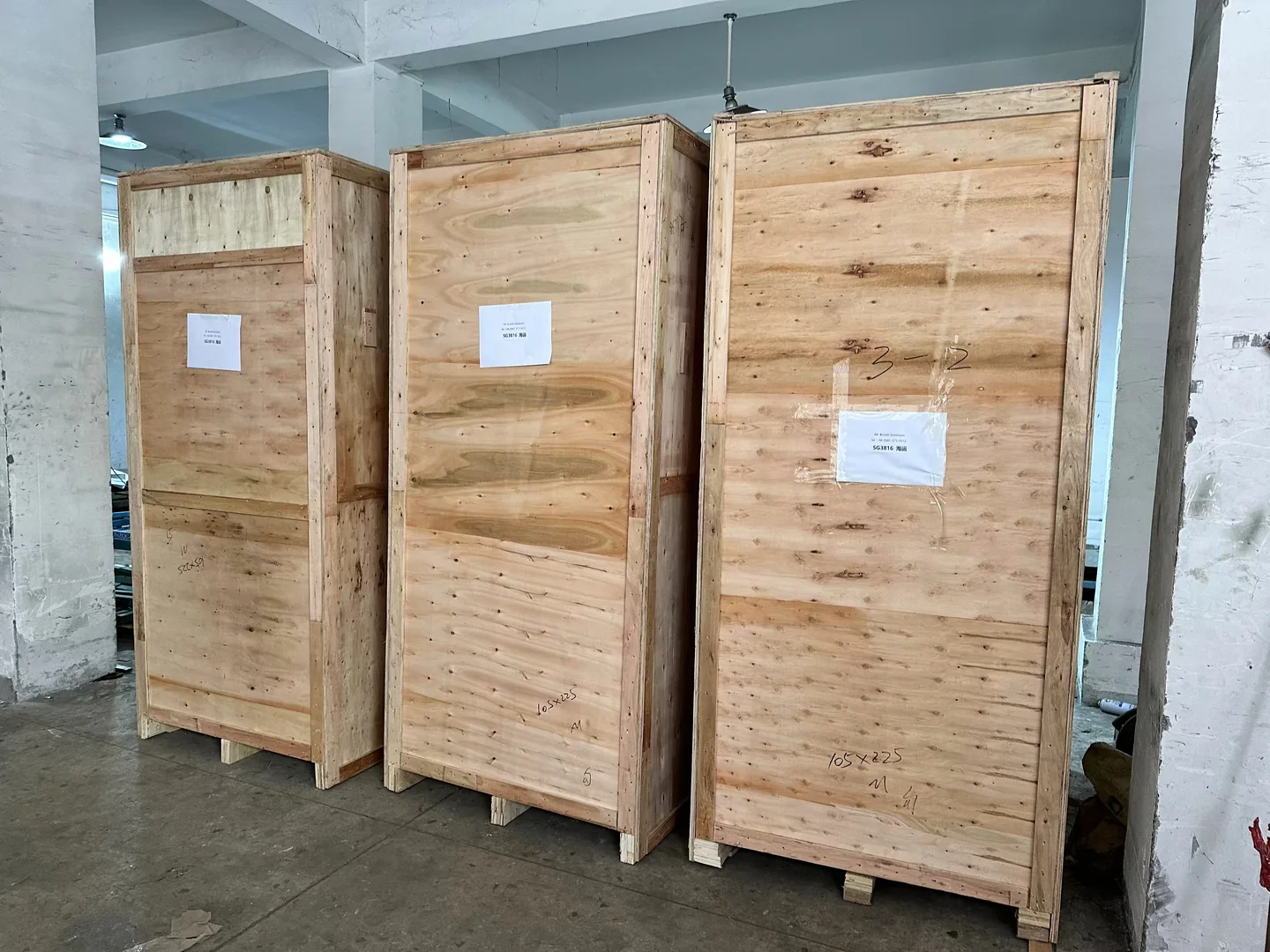
Planning example (hypothetical): three standard MP1 pods total 6.0 CBM and 1,080 kg including packaging. Use these totals to start the freight comparison, then provide the order-specific packing list for the forwarder’s quotation and loading review. This example is not the order shown in the factory photograph.
Use the shipping-plan guide for the actual packing list, photographs and receiving preparation. For custom sizes or a revised furniture/electrical configuration, obtain shipment data for that version.
Compare complete offers
Give each forwarder the same origin, destination, package schedule, required delivery window and service boundary. Request LCL and FCL offers through the same endpoint. If several pods are planned, compare shipping them together with sending the first-needed units earlier.
- At origin: identify who moves the packed cargo to the handover point and what the export-side offer includes.
- At destination: compare terminal, deconsolidation, customs and onward-delivery charges where applicable. Check whether the quote ends at a port, a depot, the site gate or another named point.
- At the building: separate unloading, moving packages inside, assembly and any electrical work from ocean freight. The EXW/DDP delivery-terms guide explains why a named delivery term alone does not settle those services.
- On the calendar: compare the date the first pod can be used, not only a vessel departure. Production, transport and site readiness are separate milestones in the lead-time guide.
Send the project details for a comparable quote
Tell MobileX the model, quantity, destination and date each pod is needed. Include whether the pods should ship together or in stages, plus the requested delivery point. MobileX can prepare the applicable product and packing information so the freight and site-service offers refer to the same order.